
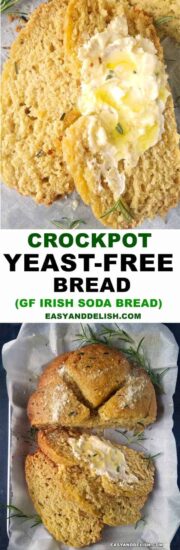
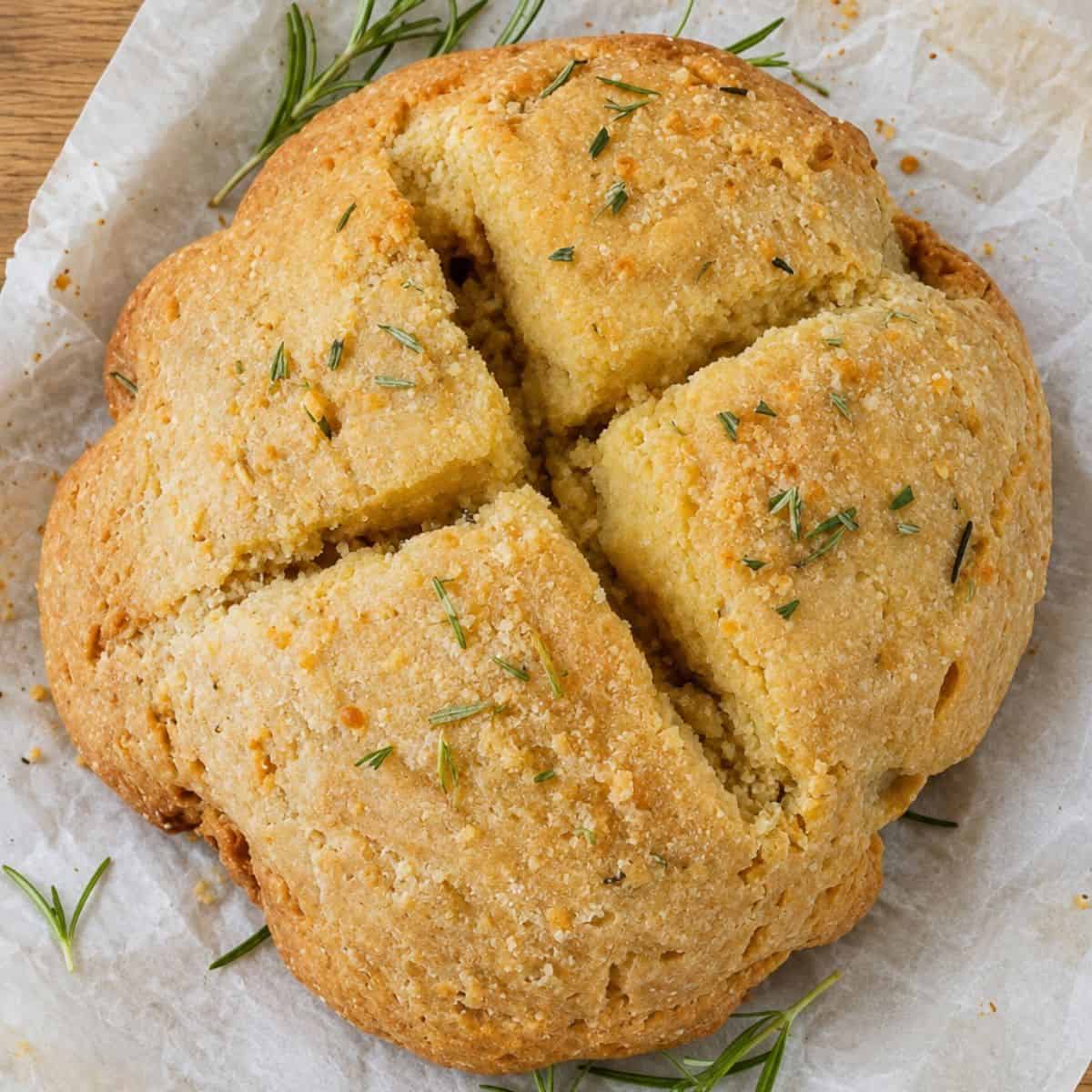
Freshly baked homemade No Yeast Bread brings a golden crust, soft and dense crumb, and buttery flavor, with Parmesan and rosemary giving this Irish soda bread-inspired loaf a savory twist.
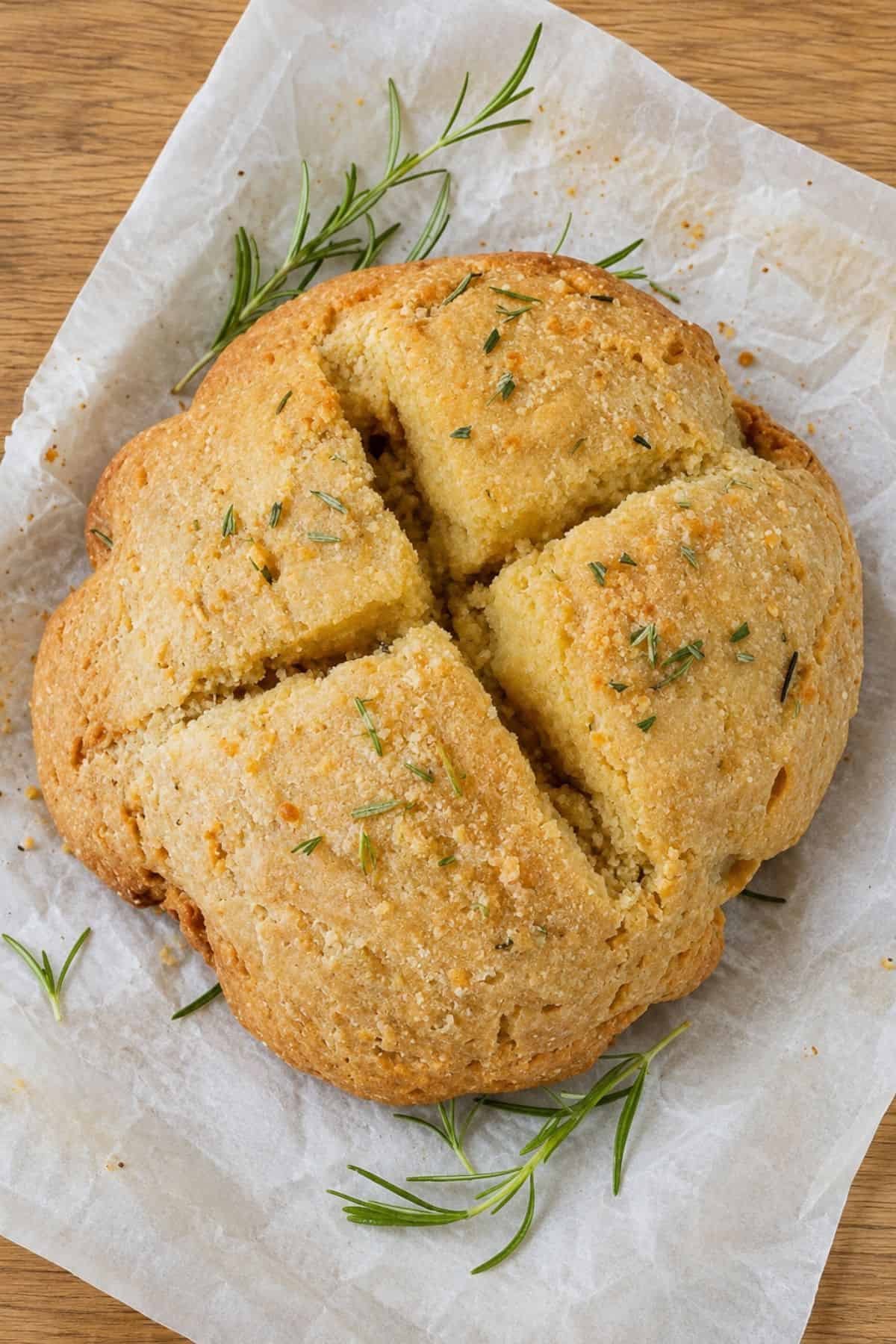
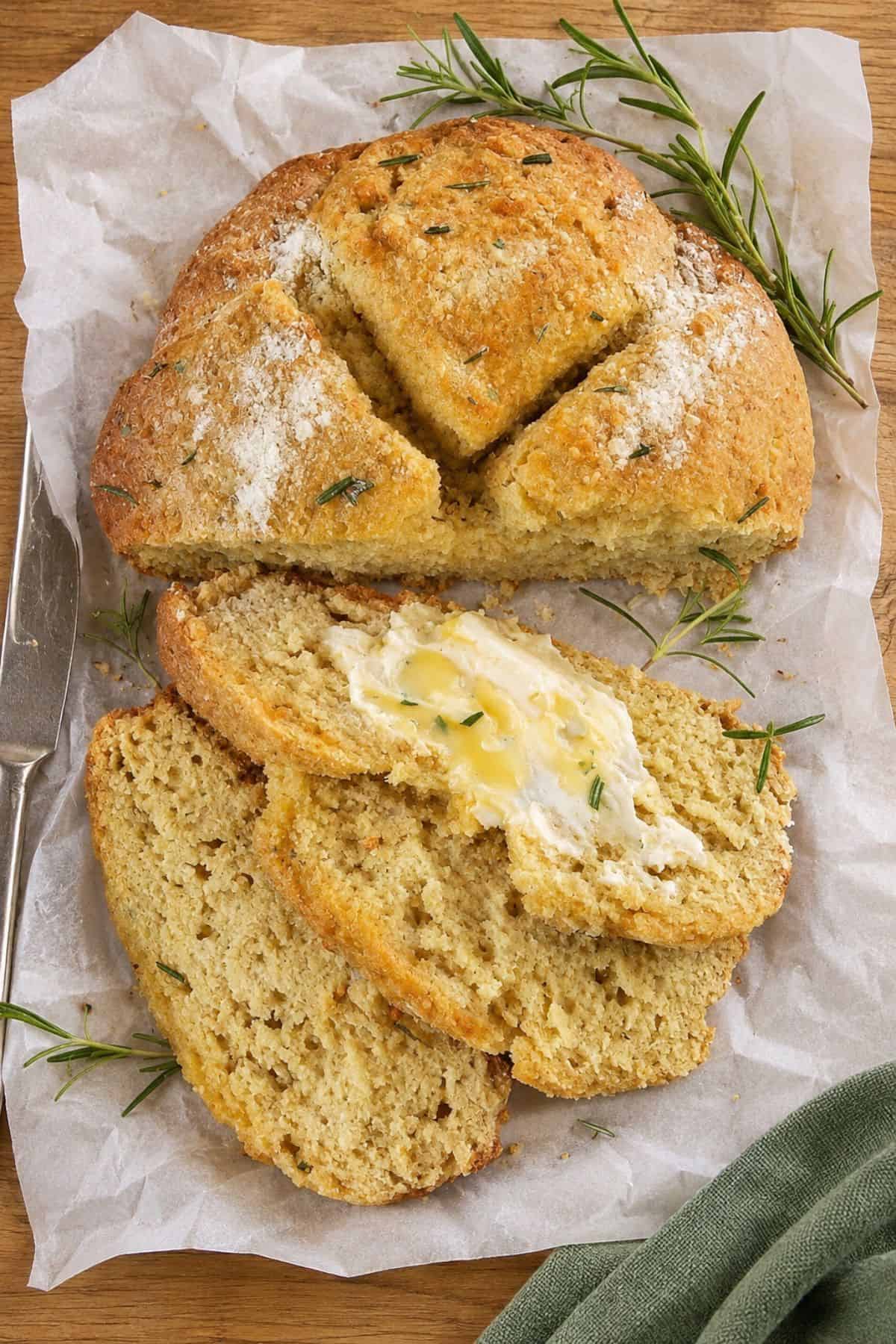
My easy no yeast bread resembles Irish soda bread, with a moist, dense crumb and mildly sweet, buttery flavor. Unlike yeast bread, it requires no rising time and can be baked in the oven for a crispier crust or cooked in the slow cooker for a softer one. I love serving it with butter or jam, Brazilian Beef Stew, or Cabbage Soup. For another yeast-free option, try my Easy Naan Without Yeast.
Quick Look: No Yeast Bread
- ⏱️ Prep Time: 5 minutes
- 🔥 Cook Time: 45 minutes
- ⏲️ Total Time: 50 minutes
- 🍽️ Servings: 8
- 🥖 Flavor Profile: Buttery and mildly sweet, with savory Parmesan and rosemary when added
- 🍞 Texture: Soft, moist, and dense crumb with a rustic crust that's firmer when oven-baked
- 👌 Difficulty: Easy
- 🥣 Best For: Serving with soups, stews, butter, or jam
- 🍳 Cooking Method: Oven or Crockpot/slow cooker
- 🧈 Key Ingredients: All-purpose flour, buttermilk, baking soda, baking powder, egg, and butter
- Why This Recipe Works: Buttermilk reacts with baking soda to help the bread rise without yeast, and baking powder provides additional lift. Butter and egg add richness, and minimal kneading helps maintain a tender crumb, resulting in moist, dense bread without rising time.
SUMMARIZE & SAVE THIS CONTENT ON
Jump to:
Ingredients
- All-purpose flour – 4 cups, plus extra for dusting. Gives the bread its structure and a soft but dense crumb. Whole wheat flour works too, though the loaf will taste nuttier and feel a little heavier.
- Buttermilk – 1 cup, plus extra for brushing. Keeps the bread moist and tender, with a slight tang. It also reacts with the baking soda to help the dough rise.
- Unsalted butter – ½ cup, softened. Gives the bread a rich, buttery taste and helps keep the crumb soft rather than tough.
- Large egg – 1, at room temperature. Makes the bread richer and helps hold the dough together without drying it out.
- Baking soda – 1 teaspoon. Reacts with the buttermilk to help this bread with baking soda instead of yeast rise without any proofing time.
- Baking powder – 1 tablespoon. Helps the loaf rise further and keeps the crumb from becoming too compact, especially when cooked in the Crockpot.
- Sugar – ¼ cup, optional. Gives the bread a mild sweetness similar to a dinner roll. Leave it out if you prefer a savory loaf.
- Parmesan cheese – ¼ cup, grated, optional. Gives the bread a salty, nutty taste that goes well with the butter and rosemary.
- Fresh rosemary – 1 sprig, chopped, optional. Its earthy, herbal flavor pairs especially well with Parmesan. You can leave it out for a more traditional bread flavor.
- Salt – ½ teaspoon. Brings out the buttery and savory flavors without making the bread taste salty. It also balances the sweetness if you're using sugar.
How to Make No Yeast Bread
Prepare the Bread Dough
- Preheat the oven: If baking, preheat the oven to 375°F (190°C). Line a baking sheet with parchment paper, or use a parchment-lined cast-iron skillet for a crispier crust.
- Combine the dry ingredients: In a mixing bowl, mix the flour, salt, sugar, baking soda, and baking powder. Stir in the Parmesan and rosemary if using.
- Add the egg and butter: Crack the egg into one side of the bowl and whisk it lightly. Combine it with the softened butter until the mixture looks crumbly. PIC. 1
- Mix in the buttermilk: Quickly stir in the buttermilk until the ingredients come together into a uniform dough. Stop mixing as soon as no dry flour remains to keep the bread from becoming tough. PIC. 2
Note: Once you add the buttermilk, aim to finish shaping and transfer the dough to the oven or slow cooker within 3–5 minutes. The baking soda begins reacting with the buttermilk immediately, and waiting too long can affect the bread's rise. - Knead and shape: Lightly flour your work surface and transfer the dough onto it. Knead quickly, no more than 5–8 times, using as little extra flour as possible to prevent a dry crumb. Shape the dough into a flattened round or oval loaf to help the center cook through without overcooking the edges.
- Score the loaf: Cut an X into the top center, about ¼ inch deep for oven baking or ⅓ inch deep for slow cooking. Make the cuts just before cooking.
- Transfer the dough: Immediately place the shaped loaf on the prepared baking sheet or in the cast-iron skillet for oven baking. For the Crockpot method, transfer it to a slow cooker lined with parchment paper. PIC. 3
Oven-Baked No Yeast Bread
- Bake the bread: Place the loaf in the preheated oven and bake for about 45 minutes, until the top is browned and a toothpick inserted into the center comes out clean.
Note: Check the center of the scored X to make sure the dough no longer looks wet or shiny. For a softer crust, brush the loaf with extra buttermilk before baking and every 20 minutes during baking.
Crockpot Bread Without Yeast
- Prepare the slow cooker: Line the Crockpot with parchment paper and place the shaped, scored loaf inside.
- Brush and cook: Brush the top of the loaf with buttermilk. Cover and cook on HIGH for about 2 ½ hours, or until a toothpick inserted into the center comes out clean. PIC. 4
Note: Check that the center of the scored X no longer looks wet or shiny. The slow cooker produces a softer crust than oven baking. - Brown the crust: For a browned crust, brush the cooked loaf with olive oil or melted butter. Transfer it to a parchment-lined baking sheet and broil on the middle oven rack for 3–5 minutes, or until lightly browned.
Note: Broiling is optional if you prefer the softer crust from the slow cooker. If broiling, watch the loaf closely because the crust can brown quickly under high heat. Remove it as soon as it reaches your preferred color to prevent burning.
FAQ About Homemade No Yeast Bread
Too much flour or too little buttermilk can make the dough too stiff to rise properly. Incorrect leavening measurements can also affect the rise. Keep in mind that this bread naturally has a denser crumb than yeast bread.
Yes. You can omit the egg from this no yeast bread recipe. The buttermilk and baking soda will still help the dough rise, although the bread may turn out slightly denser and less tender without the egg.
Too much baking soda or baking powder can leave a bitter or slightly soapy taste. Measure both carefully and avoid increasing the amounts to encourage a higher rise. Buttermilk also provides the acidity needed for the baking soda to react properly.
Yes. Cut the cooled loaf into slices and toast them in a toaster oven or skillet until lightly golden. The dense crumb holds up well to toasting and tastes good with butter, jam, or savory toppings.
What to Serve with No Yeast Bread
- Soups: Serve thick slices with Black Bean Soup or Vegan Creamy Pumpkin Soup. The dense crumb holds up well when dipped into warm soup.
- Stews: Pair the savory bread with Guinness Beef Stew or Pork Stroganoff. Both have rich sauces that taste great with a thick slice of bread.
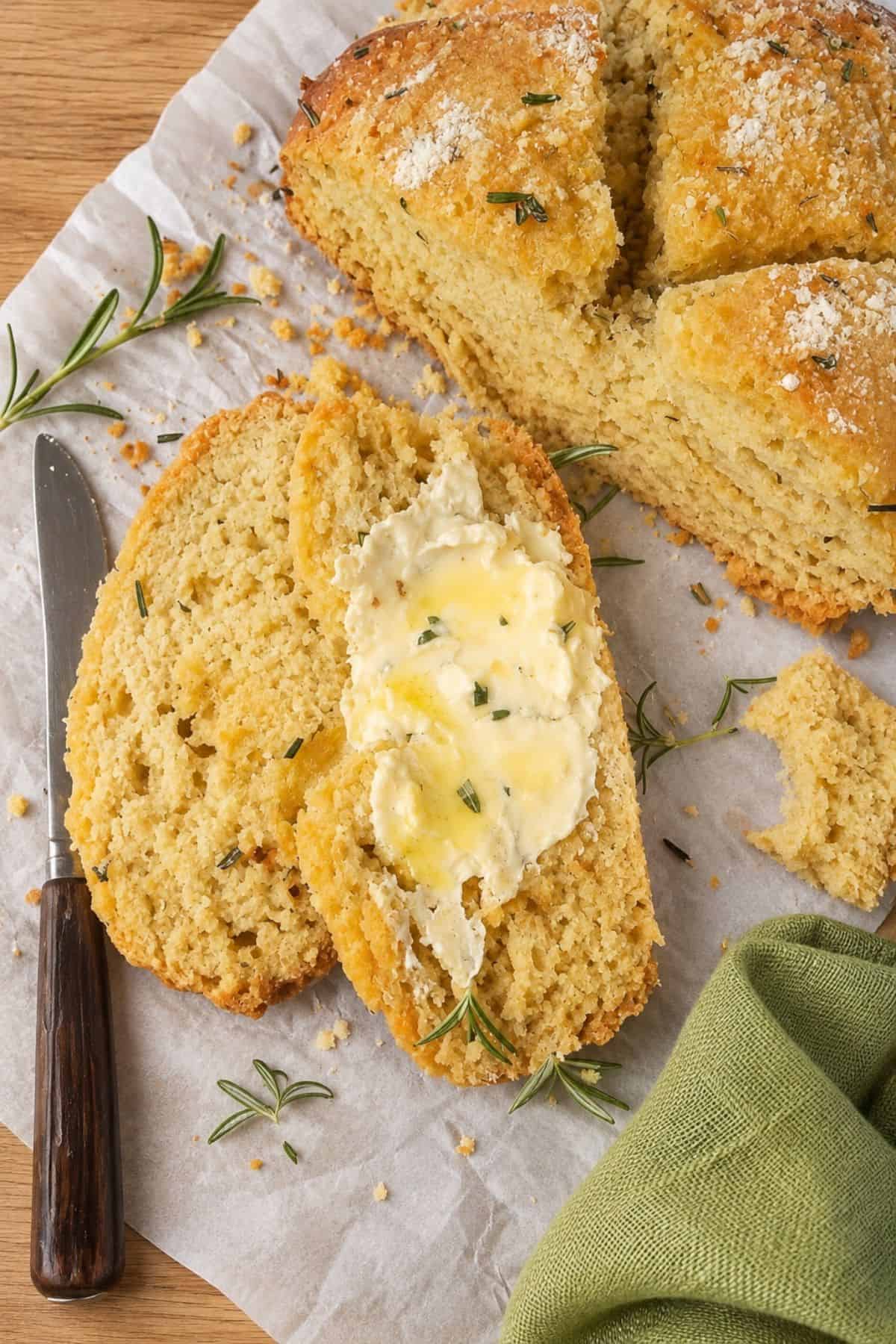
- Butter and Jam: Spread slices with softened butter and your favorite fruit jam. The plain or slightly sweet version works especially well for breakfast.
- Savory Dishes: Enjoy the Parmesan and rosemary version alongside Mushroom Curry. The bread works well for scooping up the creamy sauce.



Did You Love This Recipe? If you make this recipe and love it, stop back, give it a 5-star rating ★★★★★ and leave a comment.
Easy No Yeast Bread Recipe (Oven/Crockpot)
Equipment
- oven
- crockpot
- Mixing bowl
Ingredients
- 4 cups all-purpose flour, plus extra for dusting
- ½ teaspoon salt
- ¼ cup sugar – optional
- 1 teaspoon baking soda
- 1 tablespoon baking powder
- ¼ cup grated Parmesan cheese – optional
- 1 sprig fresh rosemary – chopped, optional
- 1 large egg – at room temperature
- ½ cup unsalted butter – softened
- 1 cup buttermilk, plus extra for brushing
Instructions
Prepare the Bread Dough
- Preheat the oven: If baking, preheat the oven to 375°F (190°C). Line a baking sheet with parchment paper, or use a parchment-lined cast-iron skillet for a crispier crust.
- Combine the dry ingredients: In a mixing bowl, mix the flour, salt, sugar, baking soda, and baking powder. Stir in the Parmesan and rosemary if using.
- Add the egg and butter: Crack the egg into one side of the bowl and whisk it lightly. Combine it with the softened butter until the mixture looks crumbly.
- Mix in the buttermilk: Quickly stir in the buttermilk until the ingredients come together into a uniform dough. Stop mixing as soon as no dry flour remains to keep the bread from becoming tough.Note: Once you add the buttermilk, aim to finish shaping and transfer the dough to the oven or slow cooker within 3–5 minutes. The baking soda begins reacting with the buttermilk immediately, and waiting too long can affect the bread's rise.
- Knead and shape: Lightly flour your work surface and transfer the dough onto it. Knead quickly, no more than 5–8 times, using as little extra flour as possible to prevent a dry crumb. Shape the dough into a flattened round or oval loaf to help the center cook through without overcooking the edges.
- Score the loaf: Cut an X into the top center, about ¼ inch deep for oven baking or ⅓ inch deep for slow cooking. Make the cuts just before cooking.
- Transfer the dough: Immediately place the shaped loaf on the prepared baking sheet or in the cast-iron skillet for oven baking. For the Crockpot method, transfer it to a slow cooker lined with parchment paper.
Oven-Baked No Yeast Bread
- Bake the bread: Place the loaf in the preheated oven and bake for about 45 minutes, until the top is browned and a toothpick inserted into the center comes out clean.Note: Check the center of the scored X to make sure the dough no longer looks wet or shiny. For a softer crust, brush the loaf with extra buttermilk before baking and every 20 minutes during baking.
Crockpot Bread Without Yeast
- Prepare the slow cooker: Line the Crockpot with parchment paper and place the shaped, scored loaf inside.
- Brush and cook: Brush the top of the loaf with buttermilk. Cover and cook on HIGH for about 2 ½ hours, or until a toothpick inserted into the center comes out clean.Note: Check that the center of the scored X no longer looks wet or shiny. The slow cooker produces a softer crust than oven baking.
- Brown the crust: For a browned crust, brush the cooked loaf with olive oil or melted butter. Transfer it to a parchment-lined baking sheet and broil on the middle oven rack for 3–5 minutes, or until lightly browned.
- Note: Broiling is optional if you prefer the softer crust from the slow cooker. If broiling, watch the loaf closely because the crust can brown quickly under high heat. Remove it as soon as it reaches your preferred color to prevent burning.
Recipe Notes
Storage and Reheating
Room Temperature: Let the no yeast bread cool completely before wrapping it in parchment paper. Place it in a sealed bag, squeeze out as much air as possible, and keep it at room temperature for up to 2 days. Freezer: Wrap the cooled loaf tightly and place it in a freezer-safe bag or airtight container. Freeze for up to 3 months. You can also freeze individual slices to make reheating easier. Thawing: Leave the wrapped bread at room temperature until fully thawed. Individual slices thaw faster and can go straight into the toaster if you prefer them warm and crisp. Reheating: Warm slices in a preheated oven at 350°F (175°C) for about 5–10 minutes, or until heated through. Cover loosely with foil if you want to keep the crust from browning further. You can also toast individual slices until lightly crisp.Nutrition
** Nutrition labels on easyanddelish.com are for educational purposes only. This info is provided as a courtesy and is only an estimate, since the nutrition content of recipes can vary based on ingredient brand or source, portion sizes, recipe changes/variations, and other factors. We suggest making your own calculations using your preferred calculator, based on which ingredients you use, or consulting with a registered dietitian to determine nutritional values more precisely.
Please note that health-focused and diet information provided on easyanddelish.com is for educational purposes and does not constitute medical advice, nor is it intended to diagnose, treat, cure, or prevent disease. Consult with your doctor or other qualified health professional prior to initiating any significant change in your diet or exercise regimen, or for any other issue necessitating medical advice.

Oven baked is my preference 🙂 Pinned to make !
I loved your idea to use some baking powder instead of yeast... especially with yeast a little hard to find! And using the Crock Pot is bonus fun!!
Although we usually have yeast in our freezer (you can store it for years!), we LOVE no-yeast breads like this. This is so nice -- thanks.